

IRS Audit Representation & Examination Defense
Received an IRS notice in the mail?
Former IRS Agent, Carla Blake, helps taxpayers prepare for, respond to and navigate the IRS examination process.
What is IRS Representation and Why it Matters
IRS audit representation means having a qualified tax professional represent you during an IRS examination. Your representative can communicate directly with the IRS, help organize and present supporting documentation, respond to information requests, and guide you through the audit process.
Many taxpayers assume an audit is just sending receipts to the IRS. In reality, audits often involve questions about recordkeeping, income reporting, business expenses, deductions, credits, and whether positions taken on a tax return can be properly substantiated.
The way information is presented can significantly impact the course of an examination. Missing deadlines, providing incomplete records, or responding without a clear strategy can create unnecessary challenges and increase the risk of additional tax assessments.

Why Work With a Former IRS Revenue Agent
“I’ve worked hundreds of cases inside the IRS auditing taxpayers just like you. Now I help taxpayers understand the examination process and respond strategically to IRS inquiries.”

— Carla Blake, CPA, CFE
When Taxpayers Contact Blake Files for IRS Help
Clients often contact Blake Files after receiving a letter in the mail from the IRS and realize they are unsure how to respond. Other may have already started talking to the IRS and want more guidance or feel overwhelmed.
Common situations include:
Received a letter from the IRS for a correspondence, office audit, or a field audit notice
IRS has expanded examination to multi tax years or into other tax entities
IRS is questioning business expenses, deductions, or tax credits
Income on tax return does not match books and records
Records have been lost, destroyed, or are incomplete
Returns have not been filed
Significant additional tax and penalties have been proposed for assessment
Taxpayer needs help abating penalties
An attorney assisting a taxpayer in a criminal matter needs a financial expert to assist with tax issues
Every IRS exam is different and every IRS Agent has a different level or experience. Understanding the issues under examination, the records being requested, and the experience level of the IRS employee are all essential to developing an effective response strategy.
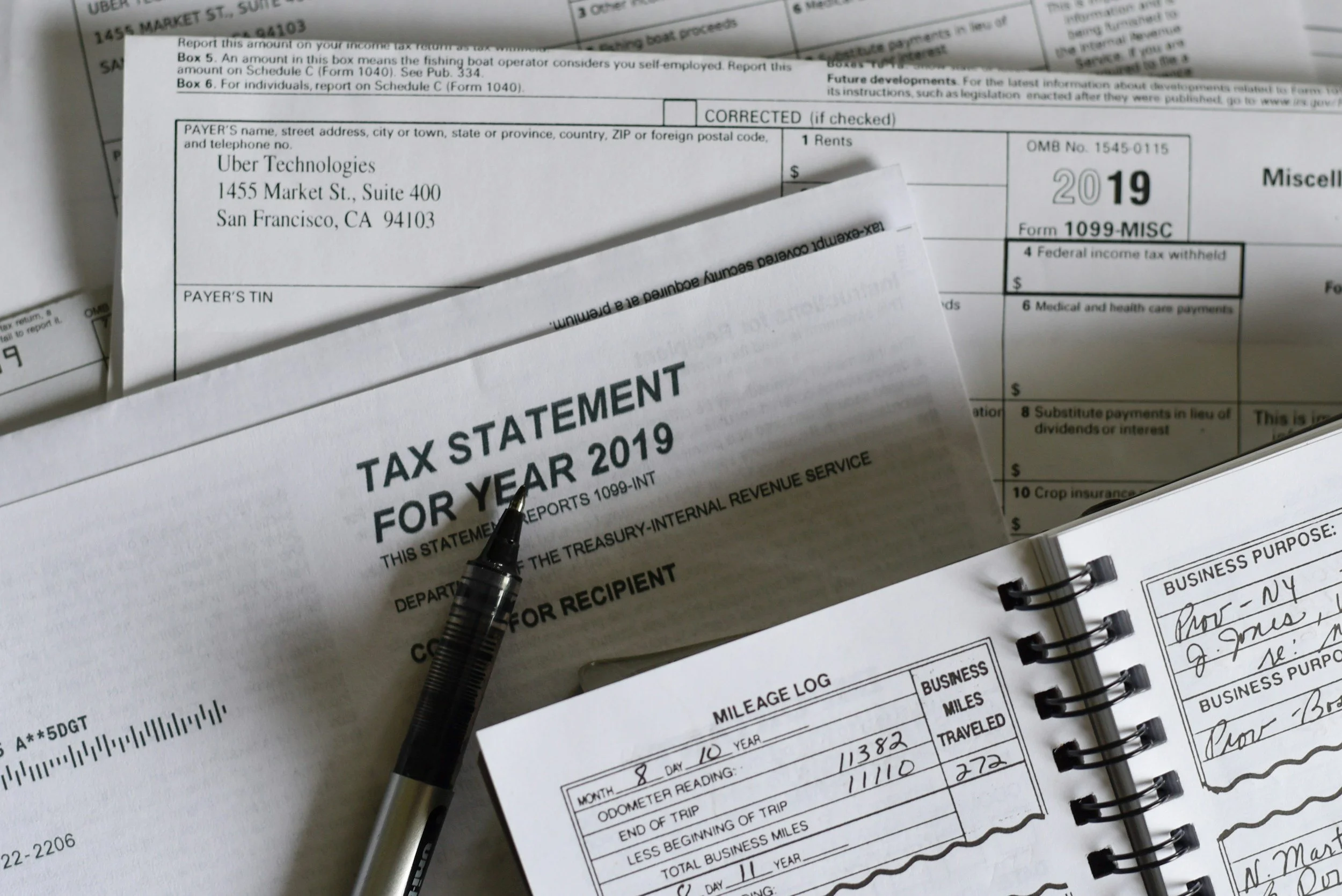
Common Documents Requested During an IRS Audit
Bank Statements
Credit Card Statements
Receipts and Invoices for Expenses
Mileage Logs
Accounting records such as QuickBooks file or other general ledger system
Payroll Records
Brokerage Statements
The records requested depend on the issues being examined.
FAQs
-
Do not ignore the notice.
Read it carefully, note the response deadline, and identify the tax year and issues being examined.
Before sending records to the IRS, consider having the notice and requested documents reviewed so your response is organized, complete, and limited to the issues under examination.
-
Not usually. In most examinations, your authorized representative can communicate directly with the IRS and attend meetings on your behalf. Whether your personal attendance is necessary depends on the type of audit and the specific issues involved.
-
The records depend on the issues being examined. Common records include bank statements, receipts, invoices, mileage logs, payroll records, accounting records, credit card statements, and loan documents.
The goal is not to send every document you have. The goal is to provide relevant documentation that supports the items being questioned. -
Missing records do not automatically mean the audit will go sideways. In most cases, records can be reconstructed using bank statements, credit card records, third-party documents, accounting records, or other reliable evidence.
The best approach depends on what the IRS is questioning and what documentation is available.
-
Yes. An IRS examination may begin with one issue or taxpayer, but the IRS can request additional information or expand the examination to other years or additional taxpayers if other concerns arise. This is one reason it is important to have representation so you can respond carefully and avoid providing unnecessary or disorganized information.
-
The timeline varies depending on the type of exam, the number of issues involved, the availability of records, and how quickly both sides respond. A limited correspondence audit may resolve more quickly, while a field audit or multi-year examination can take much longer. The IRS has been short on staff for a number of years which is impacting the examination process including the time it takes to hear back from your IRS Agent after responding.
-
Most IRS audits are civil examinations. However, if the IRS identifies indicators of fraud or potential criminal conduct, the matter can become more serious. If there are concerns about fraud, false statements, unreported income, or intentional misconduct, it is important to seek representation before communicating with the IRS.
-
The cost of IRS representation depends on the type of exam, the issues being examined, the number of tax years involved, and the condition of the records.
While every case is different, typical representation costs may include:
Correspondence audits: Often range from $1,500 to $3,500
Office audits: Frequently range from $3,000 to $6,500
Field audits and business examinations: Often range from $5,500 to $20,000 depending on complexity
Cases involving multiple tax years, extensive record reconstruction, significant proposed adjustments, or appeals may require additional work and therefore fall in the higher end of the ranges.
During an initial consultation, we review the IRS notice, discuss the issues under examination, and provide a realistic assessment of the scope of work involved and costs.
Having experienced representation helps taxpayers avoid costly mistakes, reduce unnecessary stress, and address issues before they become larger problems.